Tag MP3 Files on iPhone Without Making Extra Copies
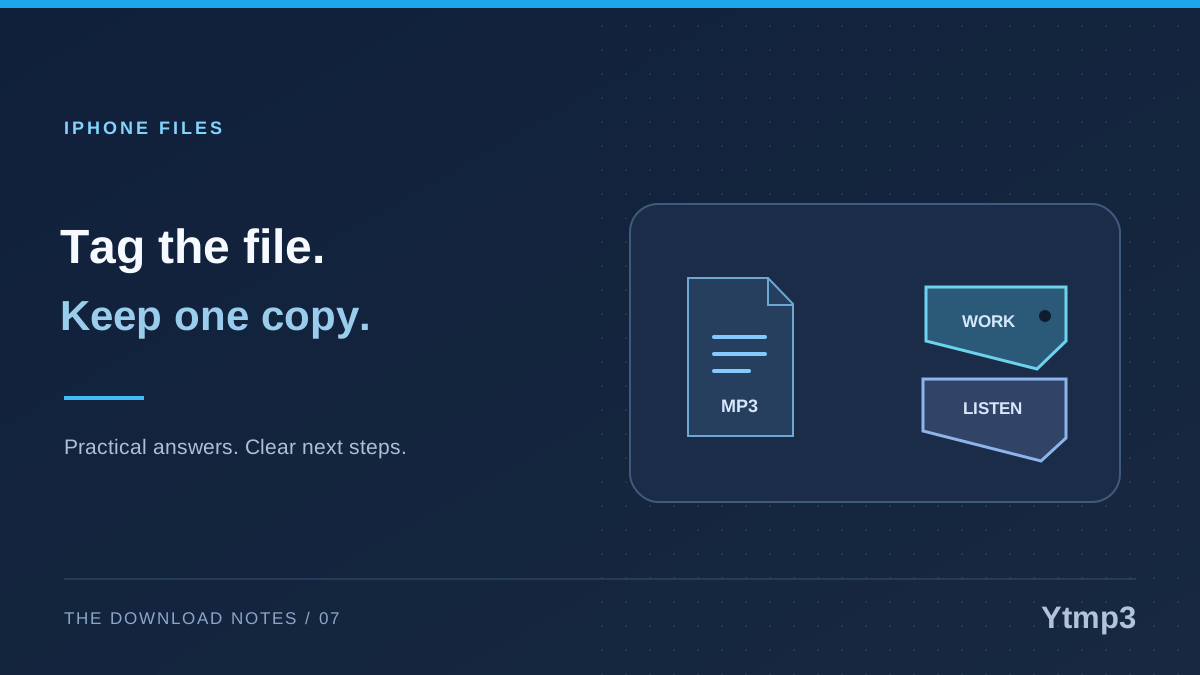
Tags in the iPhone Files app can help you find an MP3 under more than one label without making a new copy for every category. The file keeps its location while the labels give you another way to browse it. This is useful when one recording belongs to several tasks.
For example, audio you saved through Ytmp3 might be relevant to both a rehearsal and a presentation, provided you have permission for those uses. Copying it into a separate folder for each purpose can create clutter. A small set of tags offers a different approach, without pretending to create a Music playlist or edit the recording itself.
Use a tag when a file has more than one purpose
A folder answers “where is this file stored?” A tag can answer “why might I need it?” Those are different questions. You can keep a recording in one stable folder while marking it for a particular project or review stage.
Imagine a collection of your own spoken practice recordings. One file may need review, while another is ready to use. Tags such as Review and Ready can express that distinction without forcing you to move each file every time its status changes. The labels are your organization choices, not automatic assessments of the recording.
Do not create a new tag for every small detail. If a tag will apply to only one file forever, a descriptive filename may be enough. Tags become useful when they help you retrieve a meaningful group across your existing folders.
Add a simple set of labels
In Files, open the location containing your saved audio. Touch and hold the item, choose Tags and select the relevant labels. The exact appearance can vary by iOS version and storage provider, so follow the options available for the item on your device.
Start with two or three labels that have clear meanings. You might use a project label and a review label, rather than a long list of overlapping categories. If two tags always select the same files, ask whether both are helping you.
Keep personal details out of labels when the file or your screen may be shared. A neutral project name is often enough. You do not need to place a person's contact information or private account details into a tag to make a recording easy to locate.
Find the same file through a different view
The Browse area in Files provides access to tagged items. Opening a tag gives you another route to the matching files. It does not mean each item has been duplicated into a new physical folder for that label.
This is helpful when a recording belongs to two ongoing tasks. You can find it under either label, make your selection and still keep one understandable storage location. Before changing or deleting the item, remember that these views may be showing the same underlying file.
For example, removing a file because you no longer need it for one project is different from removing that project's tag. If you still need the recording elsewhere, review the action carefully. A category cleanup should not become a file deletion by mistake.
Favorite a folder you visit often
Files also allows a folder to be marked as a favorite. That is useful when a location itself is important, such as the folder where you keep a collection of approved recordings. A favorite provides a convenient route to that folder rather than a separate audio collection.
Use folders and tags together with distinct roles. A folder can be the stable home for files. A favorite can make that location easier to reach. Tags can identify selected items by purpose. Keeping those roles clear makes the system easier to maintain when your collection grows.
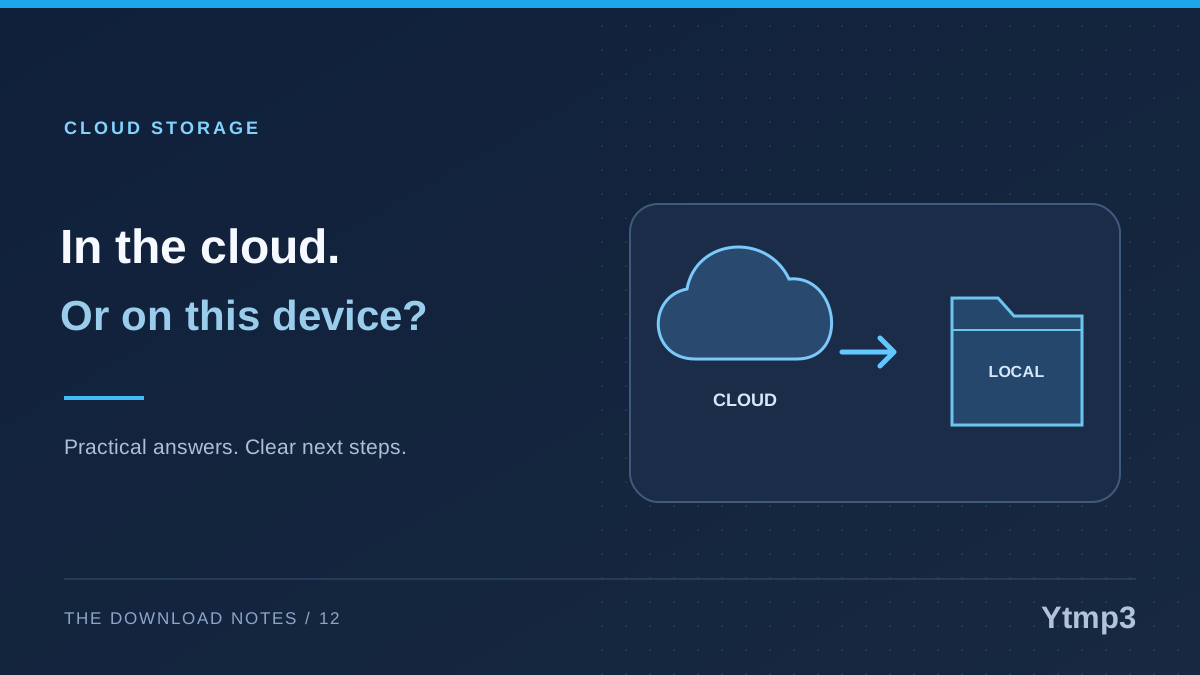
If you are working with cloud storage, also distinguish organization from availability. A well-labeled item may still need to be downloaded locally before you can rely on it without a connection. The article on cloud audio versus a local copy explains why the filename alone is not enough.
Keep Files tags separate from music metadata
A Files tag is not the same as an artist field, album name or track title embedded in an MP3. Nor is it a playlist that automatically appears in the Music app. Different applications can organize the same audio through their own records and controls.
This distinction prevents unnecessary repeated edits. If your player shows an old title, adding a Files tag is not a promise to change that display. If you want to send the audio, choose the file itself and the intended sharing action rather than assuming a tag shares a complete collection.
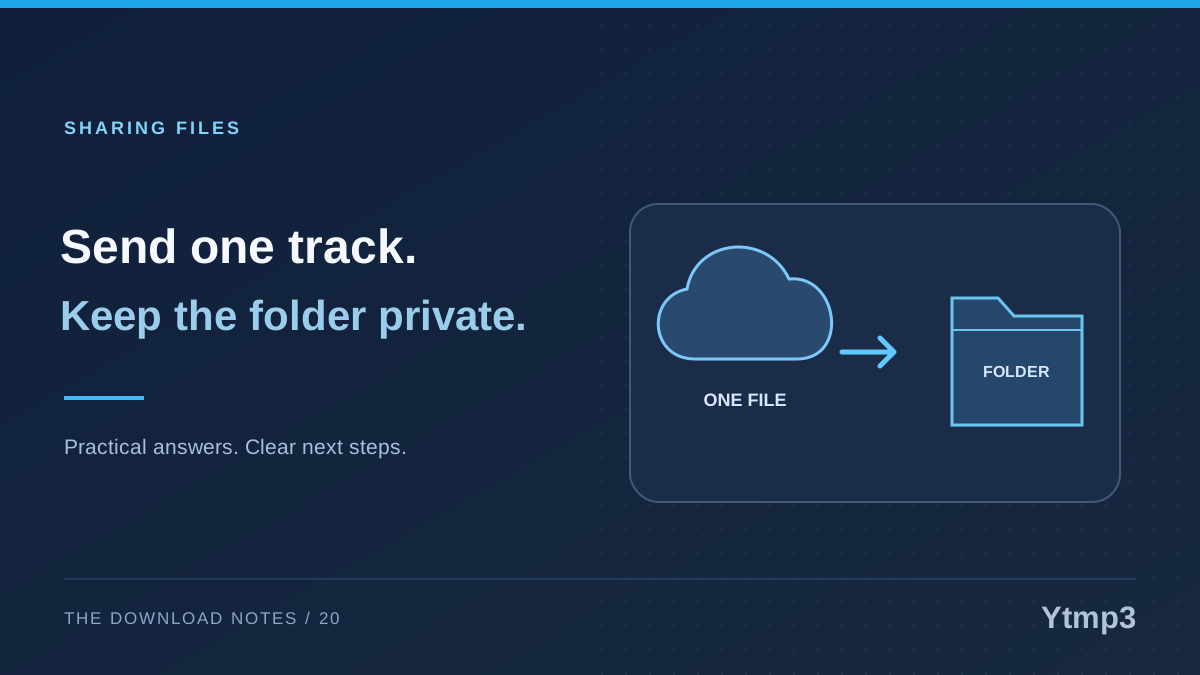
Before sharing, review how sending one audio file differs from sharing a folder. A tidy personal system should make selection clearer, not make you less attentive to what leaves your device.
Does adding two tags use twice the audio storage?
Applying labels is not the same operation as duplicating the MP3. If you separately copy the file into another location, that copy is a different storage decision.
Should every recording have a tag?
No. Use a tag when it helps you retrieve a group or track a useful purpose. A small collection in a clearly named folder may already be easy to manage.
Start with a few meaningful labels, keep one known location and review the tags as your projects change. The goal is quicker recognition, not an elaborate filing system that takes longer to maintain than the audio takes to use.